The Adductor Muscle Group: The Hidden Muscle That Helps Both the Hip and Knee
- undefeatedptandper
- May 17
- 4 min read

3 Exercises We Love to Build Strength, Stability, and Performance
By Dr. Carmen Jansante | Undefeated Physical Therapy & Performance
When people think about lower body training, they usually think of the quads, glutes, hamstrings, or calves. One muscle group that often gets overlooked is the adductor muscle group — the muscles located on the inside of the thigh.
The adductors help bring the leg closer toward the body, but they do much more than that. These muscles also attach near the inside of the knee, meaning they play an important role in helping stabilize and support both the hip and the knee.
The adductor muscle group is made up of several muscles including the adductor longus, adductor magnus, adductor brevis, gracilis, and pectineus. Together, these muscles are huge contributors to lower body stability, force production, and movement control.
We commonly think of the adductors as stabilizing muscles because they help during squatting movements, cutting, changing direction, sprinting, and anytime we are in a knee-bent athletic position. Unfortunately, they are often undertrained or underutilized. Because of that, people may experience hip pain, groin tightness, knee symptoms, or simply leave strength and power “on the table” during athletic performance.
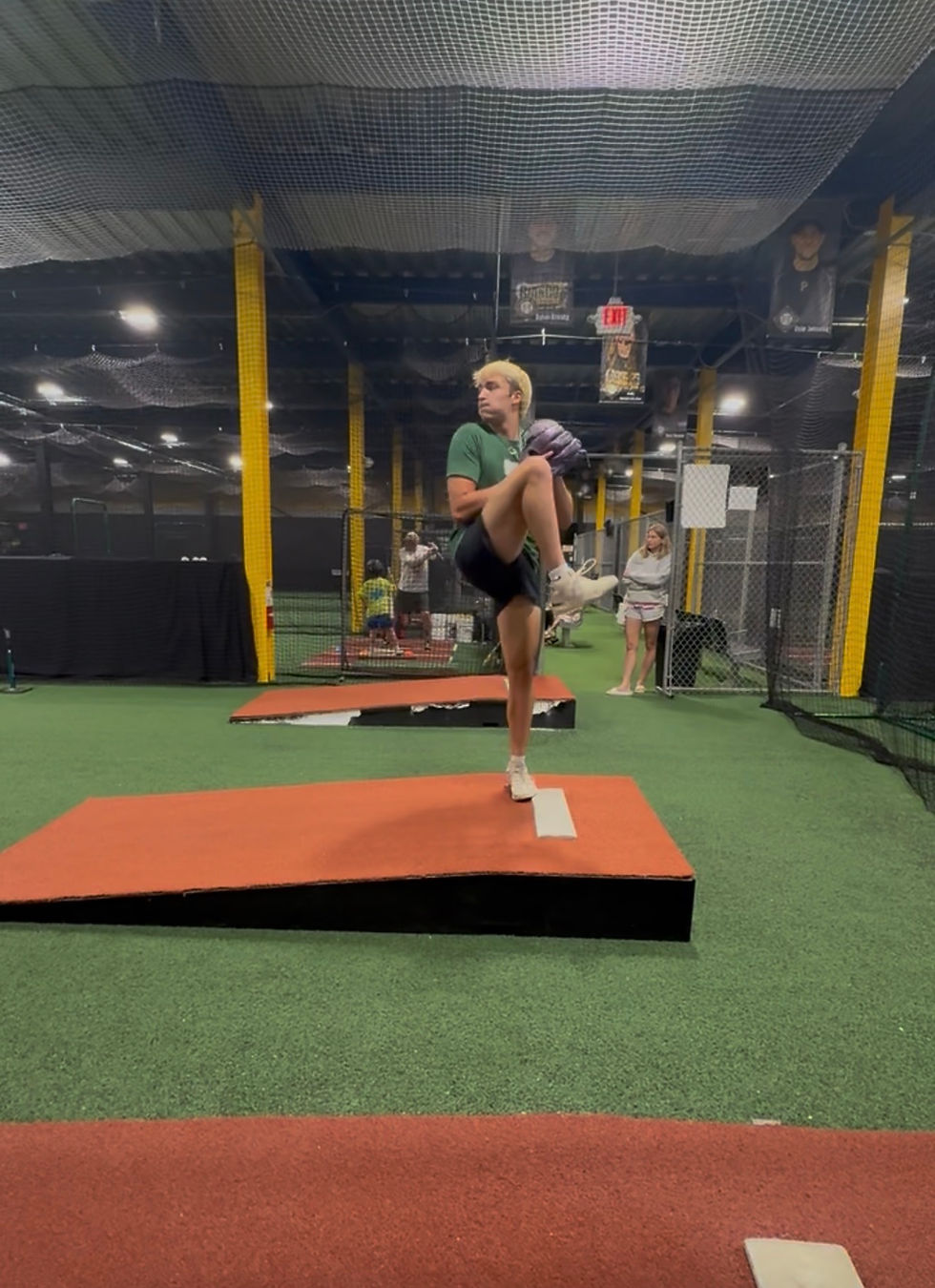
For throwing athletes especially, lower body strength matters. If you cannot efficiently produce and transfer force from the ground through the hips and pelvis, it can eventually affect the upper body and throwing mechanics as energy travels up the chain.
Below are 3 adductor-focused exercises we commonly use in our clinic to help improve stability, strength, and dynamic control.
1. Copenhagen Adductor Hold
One of the first things we like to work on is stability and isometric strength because stabilization is one of the major functions of the adductor group.
A great way to train this is with a Copenhagen exercise.
To perform this exercise, place your top leg on an elevated surface such as a bench. Your bottom leg can either stay bent or straight depending on your strength level. Position yourself similar to a side plank with your forearm on the ground underneath your shoulder.
From there, drive your hips upward while attempting to lift the bottom leg off the ground using the top leg’s adductor muscles. You should feel this along the middle to inside portion of the thigh. Hold the position for about 10–30 seconds before lowering back down. Perform 2–5 sets.
We can also make this dynamic by slowly raising and lowering in that position instead of simply holding.
For many people, this can be too advanced initially. In that case, we often start with simple adductor squeezes using a foam roller or small Pilates-style ball between the knees. The athlete squeezes inward for 10–30 seconds and relaxes. This is a great introductory way to activate the adductors and improve stability.
2. Lateral Lunge Step-Over with Plate Drag
The next progression we like to use is a more dynamic movement.
For this exercise, stand beside a weight plate or slider. Perform a lateral lunge over the plate while leaning into the lunging side. The opposite leg stays straighter as you load into the hip.
As you return to standing, the outside leg drags the plate back across the body.
This exercise challenges the adductors dynamically while also forcing both sides of the lower body to work together. It helps improve strength, control, and frontal plane stability — all important qualities for athletes.
3. Adductor Slider Drill
This is one of my favorite exercises because it combines dynamic movement with stabilization demands.
Place one foot on a slider or surface that allows the foot to move freely. That leg stays extended while the opposite leg performs almost a single-leg squat. As you squat, the sliding leg moves outward and then returns back in.
We can progress this exercise by changing angles and turning it into more of a “star drill” pattern where the foot reaches different directions. Another progression is attaching the sliding leg to a cable or resistance band so the adductors have to work even harder when pulling the leg back underneath the body.
This exercise is excellent because it trains strength, balance, stability, and movement control all at once.
Final Thoughts
There are many different ways to train the adductor muscle group, but these are three simple exercises we commonly use in our clinic because they address important components of performance:
Stability
Dynamic strength
Dynamic stability and control
If you are dealing with hip pain, groin tightness, knee discomfort, or simply want to improve athletic performance and power production, addressing the adductors may be an important missing piece.
If you have questions or would like an evaluation, feel free to reach out to us at Undefeated Physical Therapy & Performance.
Call or text: 412-627-2131
References
Harøy J, et al. “The Adductor Strengthening Programme prevents groin problems among male football players.” British Journal of Sports Medicine. 2019.
Serner A, et al. “Diagnosis of acute groin injuries: a prospective study.” American Journal of Sports Medicine. 2015.
Tyler TF, et al. “Risk factors for groin injuries in sports.” Sports Health. 2017.


Comments